Phone
+ 855 17 300 499
Mail Us
sales@bwatersystems.com
Opening Hours
Mon - Sat : 08am - 17.00 pm
Phone
Mail Us
Opening Hours
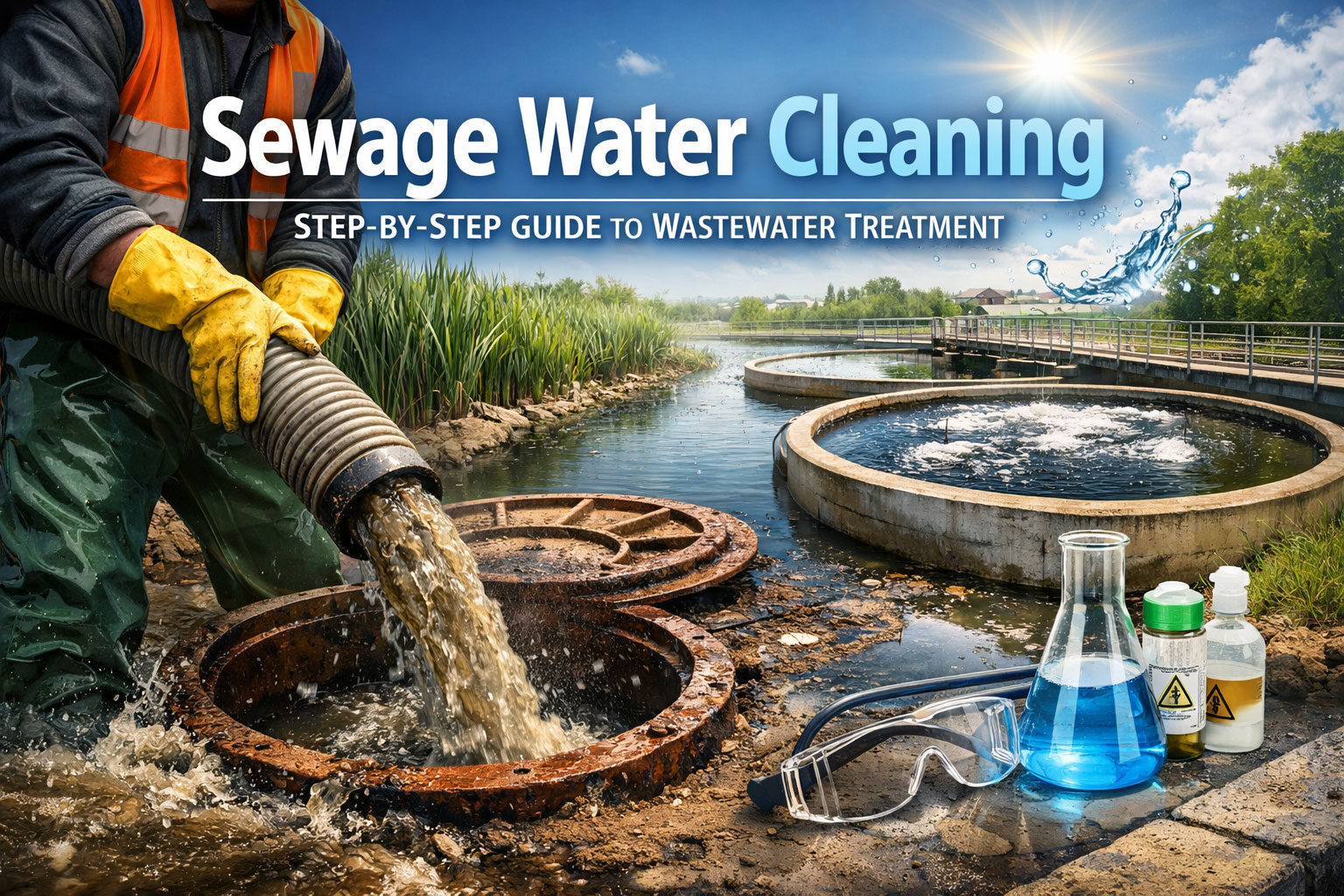
Sewage water cleaning is essential for maintaining a healthy environment and preventing water pollution. Many households and businesses struggle with contaminated wastewater, foul odors, and unsafe disposal systems. If not handled properly, sewage can spread harmful bacteria and damage ecosystems.
The good news is that sewage water cleaning can be simple when you follow the right process. In this guide, you’ll learn step-by-step methods to treat wastewater, improve sanitation, and keep your system running efficiently. Whether you’re dealing with household sewage or a small treatment system, this guide will help you get started safely.
Here’s What You’ll Learn
How sewage water becomes contaminated
Step-by-step sewage water cleaning methods
Simple ways to improve wastewater treatment
Tips to prevent sewage system problems
When to call professionals for help
What Causes Sewage Water Cleaning Problems?
Common Causes
Sewage issues usually happen due to system failure or improper maintenance. Here are the most common causes:
Blockages from grease, plastic, or solid waste
Poor drainage systems that slow water flow
Lack of filtration or treatment systems
Overloaded septic tanks or pipelines
Bacterial imbalance in wastewater systems
Industrial waste contamination
Aging infrastructure or damaged pipes
These problems make sewage water cleaning harder and can lead to serious hygiene risks.
How to Fix Sewage Water Cleaning (Step-by-Step)
Step 1 — Remove Solid Waste (Primary Treatment)
Start by separating large solid materials from wastewater.
Use screens or filters to catch debris
Remove plastics, paper, and heavy waste
Allow sedimentation in a tank
This step is important because it reduces clogging and prepares water for further treatment.
Step 2 — Biological Treatment (Secondary Treatment)
Next, break down organic waste using bacteria.
Add aeration to introduce oxygen
Use beneficial bacteria to decompose waste
Maintain proper temperature and pH levels
This process helps remove harmful substances and improves water quality naturally.
Step 3 — Filtration and Chemical Treatment
Now clean the water further using filtration and disinfectants.
Pass water through sand or membrane filters
Add chlorine or UV treatment to kill bacteria
Remove remaining impurities and odors
At this stage, the water becomes much safer and clearer.
Step 4 — Final Disposal or Reuse
After treatment, the water can be:
Reused for irrigation
Released into safe drainage systems
Stored for non-drinking purposes
Always follow local environmental guidelines for disposal.
Additional Methods (Optional)
Use constructed wetlands for natural filtration
Install advanced wastewater treatment systems
Apply eco-friendly enzymes for small systems
Extra Tips to Improve Performance / Prevent the Issue
To keep your sewage water cleaning system efficient:
Avoid dumping grease or chemicals into drains
Clean pipes and filters regularly
Use eco-friendly cleaning products
Inspect septic tanks every 6–12 months
Install proper drainage systems
Reduce water waste to prevent overload
When to Seek Professional Help
Sometimes, DIY methods are not enough. Consider expert help if you notice:
Persistent foul smells
Frequent blockages or backups
Visible leaks or pipe damage
System failure or overflow
Signs of contamination or health risks
You can also refer to environmental guidelines from the World Health Organization for safe sanitation practices.
FAQ Section
1. What is sewage water cleaning?
Sewage water cleaning is the process of removing contaminants from wastewater. It involves physical, biological, and chemical treatments to make water safe for disposal or reuse.
2. Can sewage water be reused?
Yes, treated sewage water can be reused for irrigation, industrial use, or cleaning. However, it must go through proper wastewater treatment to ensure safety.
3. How often should sewage systems be cleaned?
Septic systems should be inspected every 6–12 months and cleaned every 2–3 years. Regular maintenance prevents major problems and improves efficiency.
4. What are the risks of untreated sewage?
Untreated sewage can spread bacteria, viruses, and harmful chemicals. It can contaminate water sources and cause serious health issues.
5. What is the best method for sewage water cleaning?
The best method combines primary, secondary, and tertiary treatments. Using biological treatment and filtration ensures the most effective results.
Conclusion
Sewage water cleaning is crucial for protecting health, the environment, and water resources. By following simple steps like removing solid waste, using biological treatment, and applying proper filtration, you can effectively manage wastewater.
Regular maintenance and smart habits can prevent most sewage problems before they start. If issues become serious, don’t hesitate to seek professional help.
For more practical guides and solutions, explore other helpful articles on LoadingTips.com like:
How to Fix Slow System Performance
Best Ways to Clean Storage on Your PC
How to Optimize System Settings for Speed
For additional technical guidance, you can also check resources from United States Environmental Protection Agency.
Start applying these steps today and make your sewage water cleaning system safer, cleaner, and more efficient.